
Korean Skincare for Sensitive Skin: Centella, Gentle Routines & Picks That Don't Sting
What makes Korean skincare work for sensitive skin? Four things: a mild low-pH cleanser, little or no fragrance, soothing ingredients such as Centella asiatica and panthenol, and a short routine. Stinging usually comes from harsh surfactants, high pH, fragrance or strong actives. Buyers should confirm every claim against the INCI list and test documentation.
This guide answers the questions shoppers ask first, then turns to what importers should check. For a ready shortlist, see Sensitive Skin Care — Korean product shortlist.
Key takeaways
- Sensitive skin is a sensory condition: stinging, burning, itching and tightness can appear with no visible redness.
- High-pH cleansers are linked to more irritation, but a very low pH can irritate too. The goal is a pH near the skin's natural range.
- Centella asiatica is widely used for soothing and barrier support. The evidence we reviewed comes mostly from combination formulas and wound-care research.
- "Fragrance-free" and "for sensitive skin" are claims to verify, not guarantees.
- Korean cosmetics exports hit a record $11.4 billion in 2025, with skincare at 74.7% of the total (MFDS data via Global Cosmetics News, 2026).
- Before ordering, request the full INCI list, measured pH, test data and a sample. MOQ and lead time are set per maker and confirmed in a quote.
Why Does My Skincare Sting?
Skincare stings when a product provokes a reaction in skin that is easily irritated. Common causes are harsh surfactants, a high-pH formula, heavy fragrance and strong actives. The sting can appear even when the skin looks normal.
What "sensitive skin" actually means
Sensitive skin is a state in which the skin reacts unpleasantly to stimuli that would not normally cause a reaction. A 2019 review in Frontiers in Medicine notes that subjective symptoms such as itching, burning, stinging, tightness and dryness appear consistently, even without visible signs of irritation.
It is also very common. Another 2019 Frontiers in Medicine paper reports that 44–83% of people in the US described their skin as sensitive. In Japan, 53% of men and 56% of women did so. These are self-reported figures, but they show how large the segment can be for retailers.
Common triggers
- Harsh surfactants that leave skin feeling tight or stripped
- Cleansers with a high pH
- Heavy fragrance
- Strong actives introduced too quickly
Why a product claiming "for sensitive skin" can still sting
A label is a marketing statement, not a test result. A cleanser-pH review posted on ResearchGate mentions a study (Baranda) in which products marketed for easily irritated skin still showed notable irritation. We could not confirm the original publication year from the posted copy, so regard this as a pointer to verify, not a firm statistic. Read the ingredients and ask for data rather than relying on the front of the pack.
Does Low pH Matter in a Korean Cleanser?
Low pH matters in a cleanser because pH is linked to irritation. A cleanser-pH study reports significantly higher irritation scores above pH 11 (P<0.006). But very low-pH soaps can also irritate, so the aim is a pH close to the skin's physiological range, not simply the lowest number. The source is a ResearchGate/Academia copy whose original citation we have not yet verified.
pH alone does not guarantee a gentle product. Surfactants and fragrance still matter. Four of the six Korean cleansers and sunscreens in our data position themselves as "low-pH" or "pH-balanced," but no numeric pH values were provided. Regard "low-pH" as a maker statement until you see measured pH data.
Is Centella Asiatica Good for Sensitive Skin?
Centella asiatica (also called cica or gotu kola) is a plant extract widely used in Korean skincare to soothe skin and support the barrier. It suits many routines for reactive skin, but the evidence is narrower than the marketing suggests.
What the evidence shows
A 2025 study in the Journal of Cosmetic Dermatology (also indexed in PMC) tested a facial cream containing Centella asiatica leaf extract, ceramide NP and panthenol. It reported stronger skin barrier function and improved symptoms in sensitive skin. Reviews on wound care (Pharmaceutics, 2024) describe growing use of centella for barrier support and scar appearance, with the strongest evidence in the wound-care area.
What it doesn't prove
That cream was a combination formula, so the results cannot be credited to centella alone. Centella should not be presented as a fix for sensitivity. We also did not confirm in primary literature whether centella can itself cause contact allergy in some people, so patch testing still applies.
Panthenol and other soothing ingredients
Panthenol (provitamin B5, a moisturizing ingredient) often appears alongside centella in comfort-focused formulas. Other ingredients seen in Korean lines for reactive skin include Houttuynia cordata extract, ferment filtrates and sodium hyaluronate (a hydrating salt of hyaluronic acid).
What Korean Products Are Fragrance-Free?
No product is fragrance-free just because it is Korean or marketed as gentle. Check the INCI list for Parfum or Fragrance and for individual allergen names. The six products in our shortlist data do not carry a fragrance-free statement, so we do not describe them as fragrance-free.
How to verify on the INCI list
- Find the INCI (International Nomenclature of Cosmetic Ingredients) list on the box or product page.
- Look for Parfum or Fragrance.
- Look for individually listed fragrance allergens such as linalool or limonene.
- Ask the maker in writing whether any fragrance or essential oil is used.
"Unscented," "fragrance-free," "hypoallergenic"
"Unscented" can mean a masking agent was added to cover the smell. "Fragrance-free" should mean no fragrance ingredients. "Hypoallergenic" has no single universal standard we could confirm. None replaces the ingredient list.
How Do I Patch Test a New Product?
A patch test means applying a small amount of a new product to a limited area to see if the skin reacts before using it on the face. Guidance varies, and we could not check the original American Academy of Dermatology page. Dermatologists commonly suggest steps like these.
- Choose a small area, such as the inner forearm or behind the ear.
- Apply a pea-size amount as directed on the label.
- Repeat twice a day for 7 to 10 days, according to secondary sources citing AAD guidance. Other sources suggest checking at 24, 48 and 72 hours.
- Watch for redness, itching, swelling or burning.
- Stop right away if a reaction appears.
A patch test is a rough screen, not a diagnosis. If you have pain, swelling or blisters, stop use and speak to a healthcare professional.
What Is the Simplest Routine for Reactive Skin?
The simplest routine for reactive skin has three or four steps: a gentle low-pH cleanser, a soothing moisturizer, daily sunscreen in the morning, and nothing else until the skin settles. Add only one new product at a time so you can identify what causes a reaction.
| Step | Morning | Evening |
|---|---|---|
| 1 | Gentle gel cleanser or water rinse | Gentle gel cleanser |
| 2 | Soothing moisturizer (centella, panthenol) | Soothing moisturizer |
| 3 | Fluid sunscreen | Optional: one new product, patch tested |
For barrier-focused follow-up, see our guide to a damaged skin barrier. If your concern shifts to tone, read about dark spots and hyperpigmentation, or about fine lines and wrinkles.
What Korean Products Are Made for Sensitive Skin?
Our Seoul team tracks six Korean products built around mild cleansing and gentle sun care. The brand names are confidential. All claims below are as stated by the makers, and the ratings are Korean shopper reviews from brand online stores, not clinical trials.
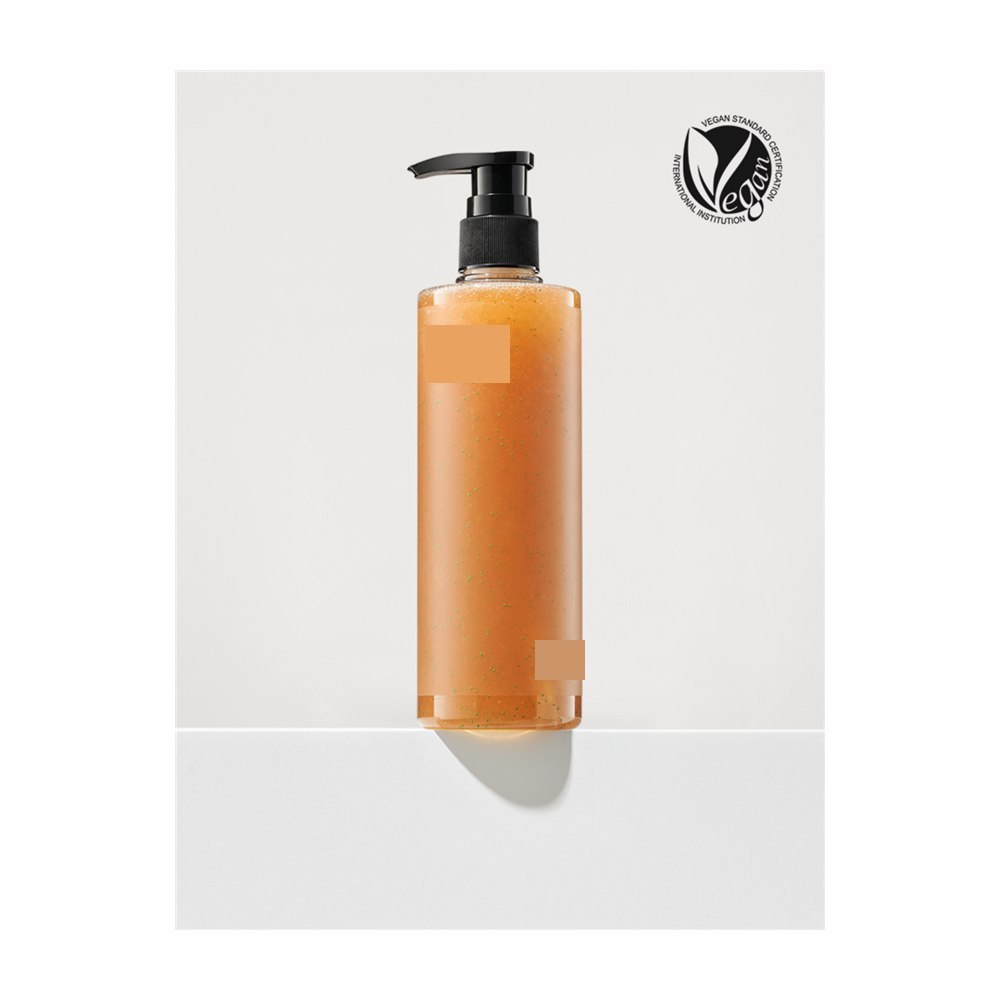
- Houttuynia Gel Cleanser: contains Houttuynia cordata extract. The maker states it cleanses pores gently without a tight, stripped feel. Rated 4.99/5 from 1,004 reviews (brand online store and Coupang).
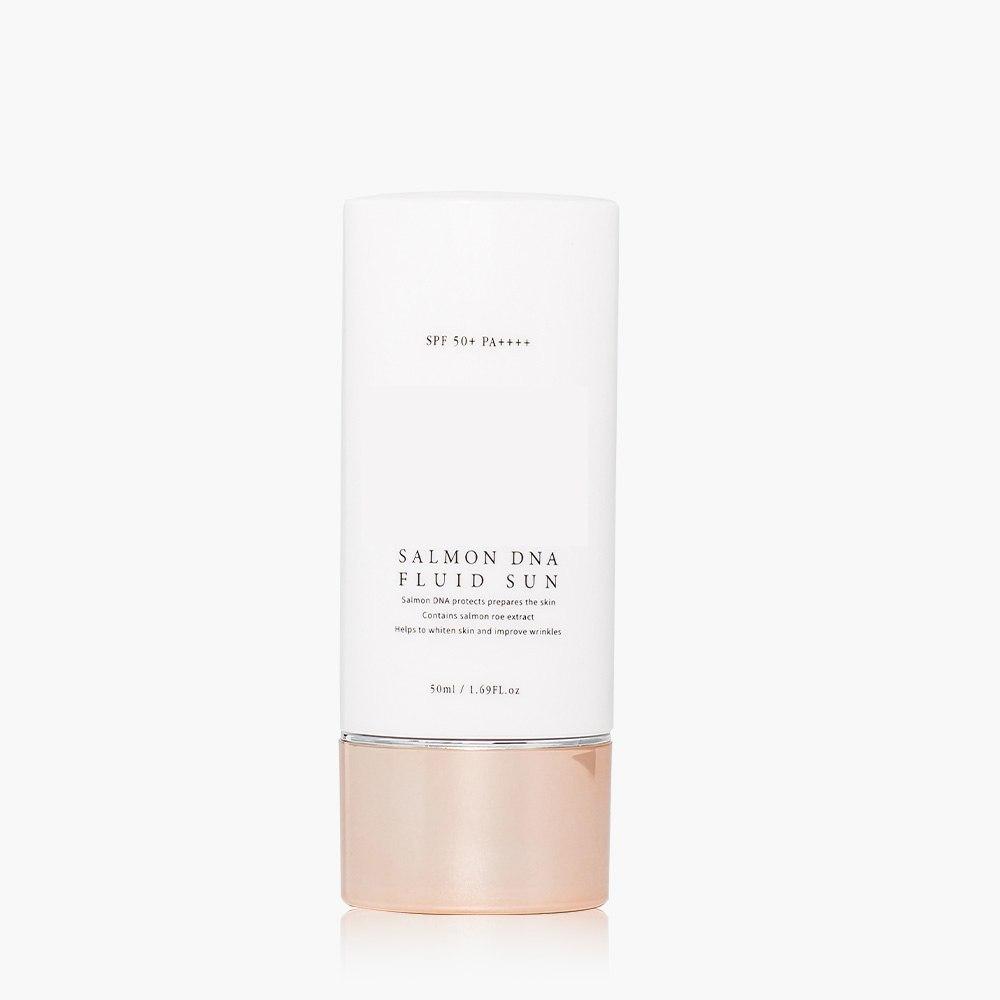
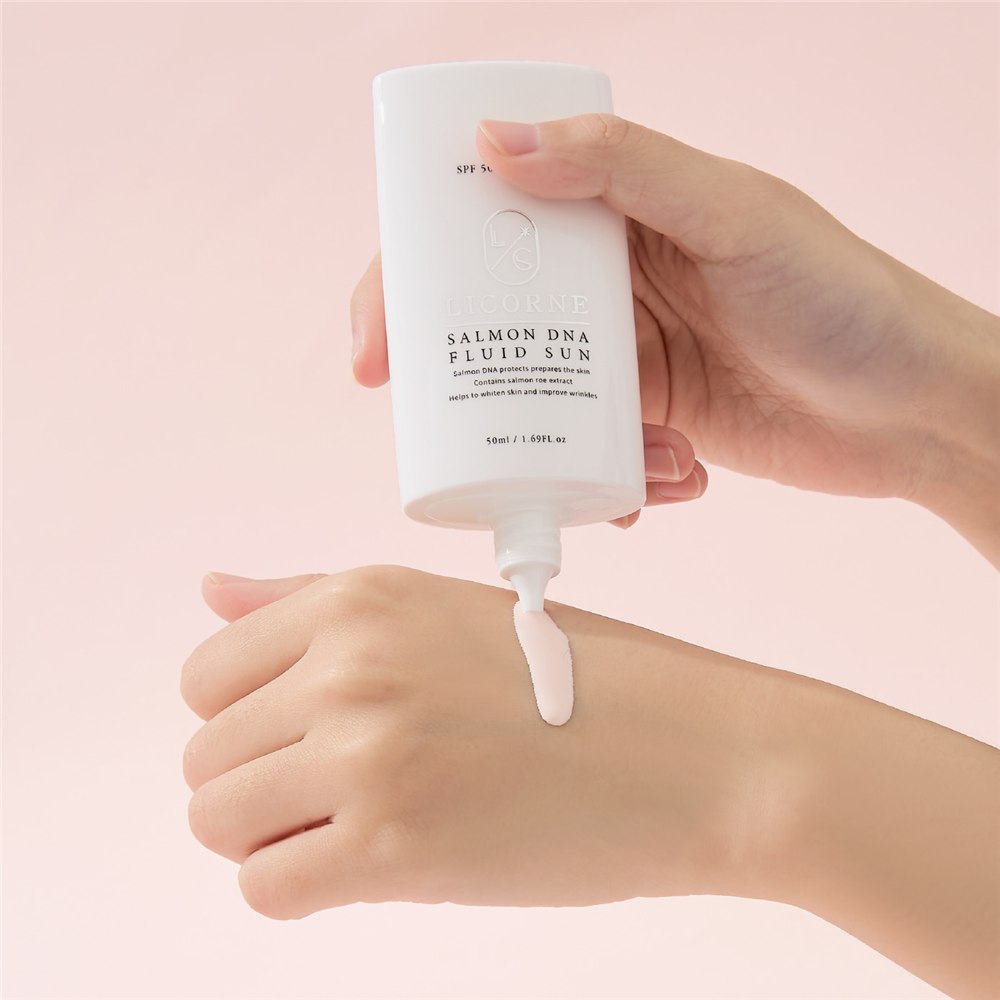
- Salmon DNA Fluid Sunscreen SPF50+: a fluid sunscreen with Salmon DNA. The maker states it gives lightweight daily UV protection with a gentle feel on sensitive skin. Rated 4.99/5 from 673 reviews (brand online store).
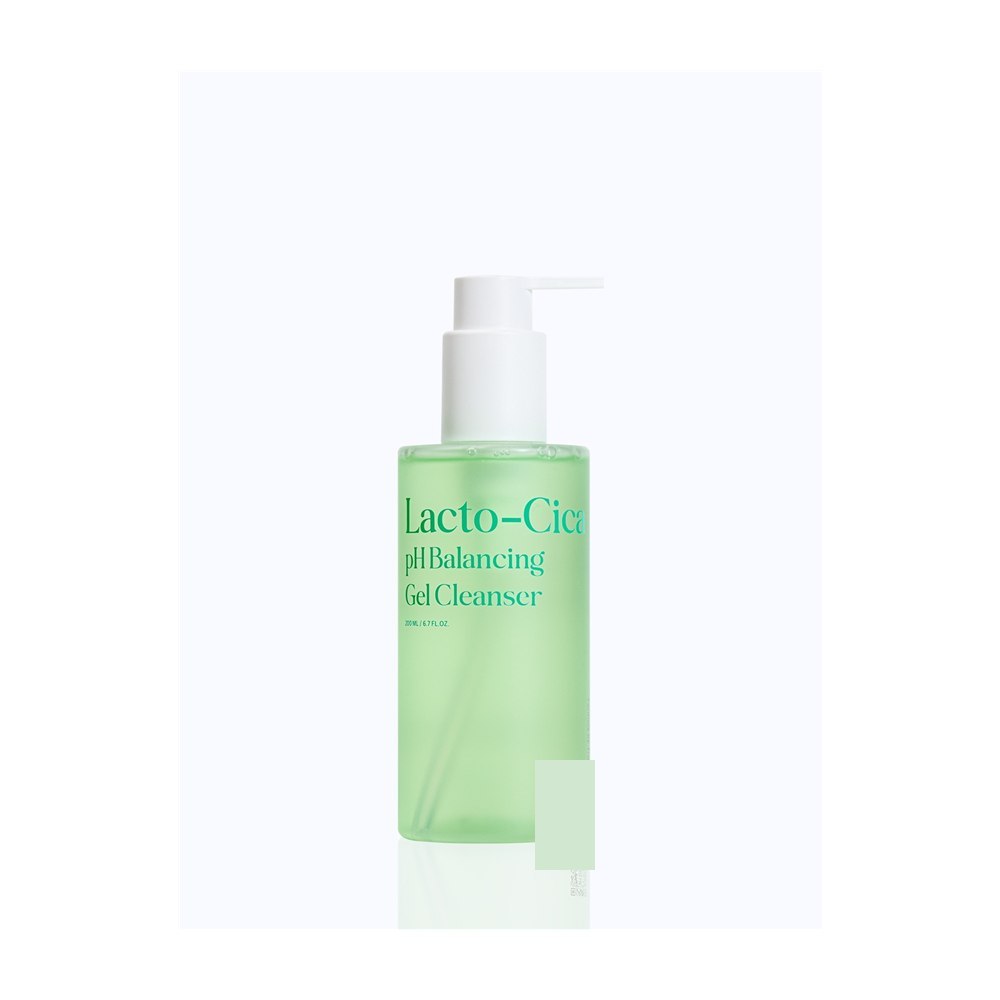
- Probiotic Cica Low-pH Gel Cleanser: contains Lactobacillus ferment lysate, Bifida ferment filtrate and Centella asiatica. The maker states it cleanses gently while helping keep the skin's natural pH balance. Rated 5/5 from 49 reviews.
- Cica Mild Low-pH Gel Cleanser (150ml): contains Centella asiatica. The maker states it gently removes impurities while keeping skin feeling calm. Rated 5/5 from 16 reviews.
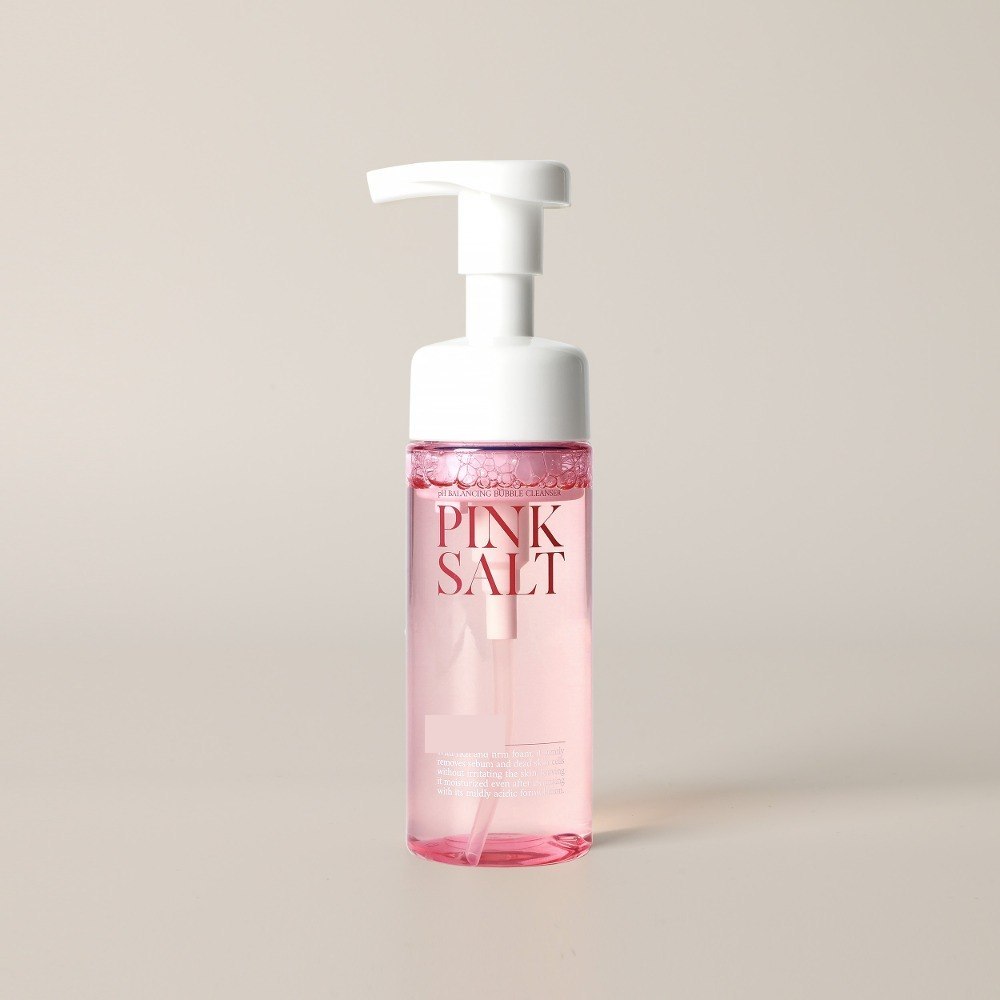
- Pink Salt Low-pH Bubble Cleanser: a pump-foam cleanser with pink salt, charcoal powder and sodium hyaluronate. The maker states it is a soft foaming cleanse that leaves skin feeling clean and comfortable. Rated 5/5 from 16 reviews.
- Rose Petal Low-pH Gel Cleanser (150ml): contains rose petals and plant-derived surfactants. The maker states it cleanses without a stripped feel. No review data was available. Because rose-based products can contain scent ingredients, check the INCI list.
What data we have and what is still open
The table shows what our source data covers for each product. Anything marked "not provided" must be requested from the maker before you place an order.
| Product | Key ingredients (as stated) | Measured pH | Full INCI | Certifications / test reports | Fragrance-free statement |
|---|---|---|---|---|---|
| Houttuynia Gel Cleanser | Houttuynia cordata extract | Not provided | Not provided | Not provided | None |
| Salmon DNA Fluid Sunscreen SPF50+ | Salmon DNA | Not applicable | Not provided | Not provided | None |
| Probiotic Cica Low-pH Gel Cleanser | Lactobacillus ferment lysate, Bifida ferment filtrate, Centella asiatica | Not provided ("low-pH" is a maker claim) | Not provided | Not provided | None |
| Pink Salt Low-pH Bubble Cleanser | Pink salt, charcoal powder, sodium hyaluronate | Not provided ("low-pH" is a maker claim) | Not provided | Not provided | None |
| Cica Mild Low-pH Gel Cleanser (150ml) | Centella asiatica | Not provided ("low-pH" is a maker claim) | Not provided | Not provided | None |
| Rose Petal Low-pH Gel Cleanser (150ml) | Rose petals, plant-derived surfactants | Not provided ("low-pH" is a maker claim) | Not provided | Not provided | None |
-
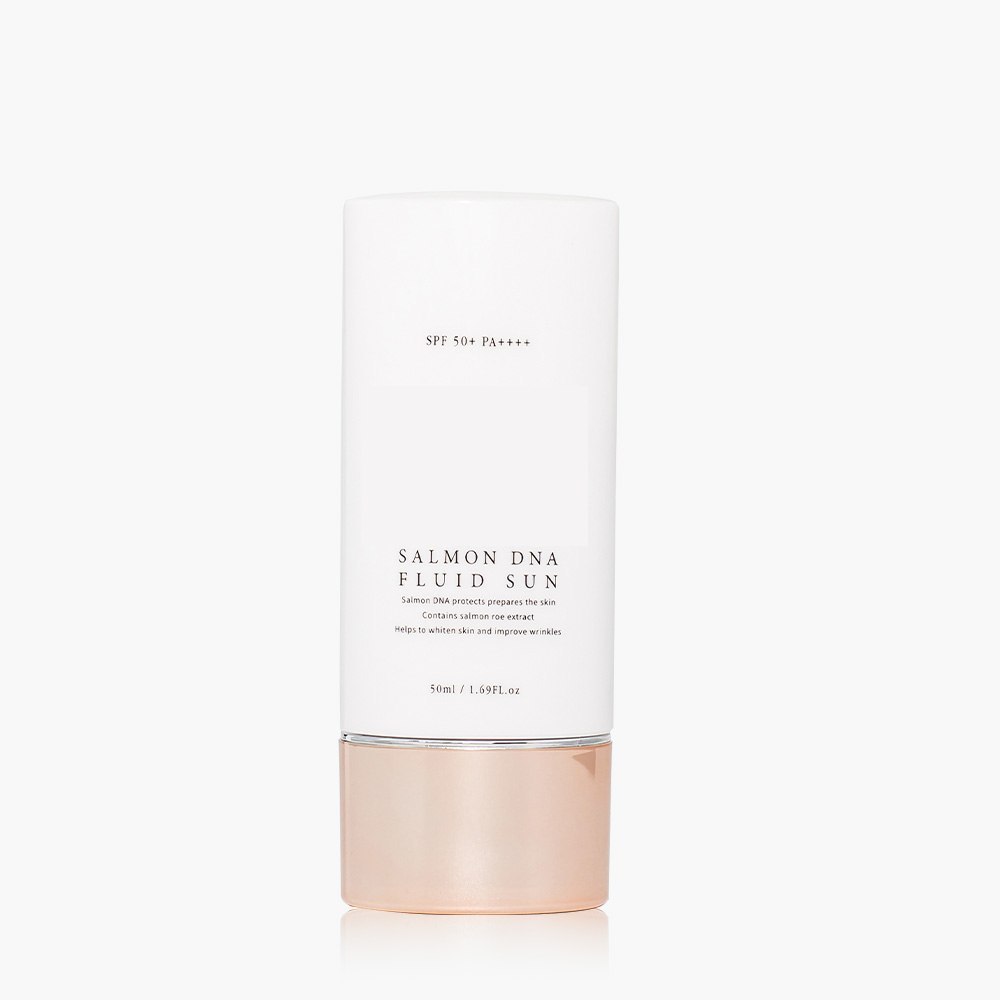 Salmon DNA Fluid Sunscreen SPF50+
Korean skincare maker focused on gentle, nature-derived formulas
Salmon DNA
★5.0 · 673 reviews
-
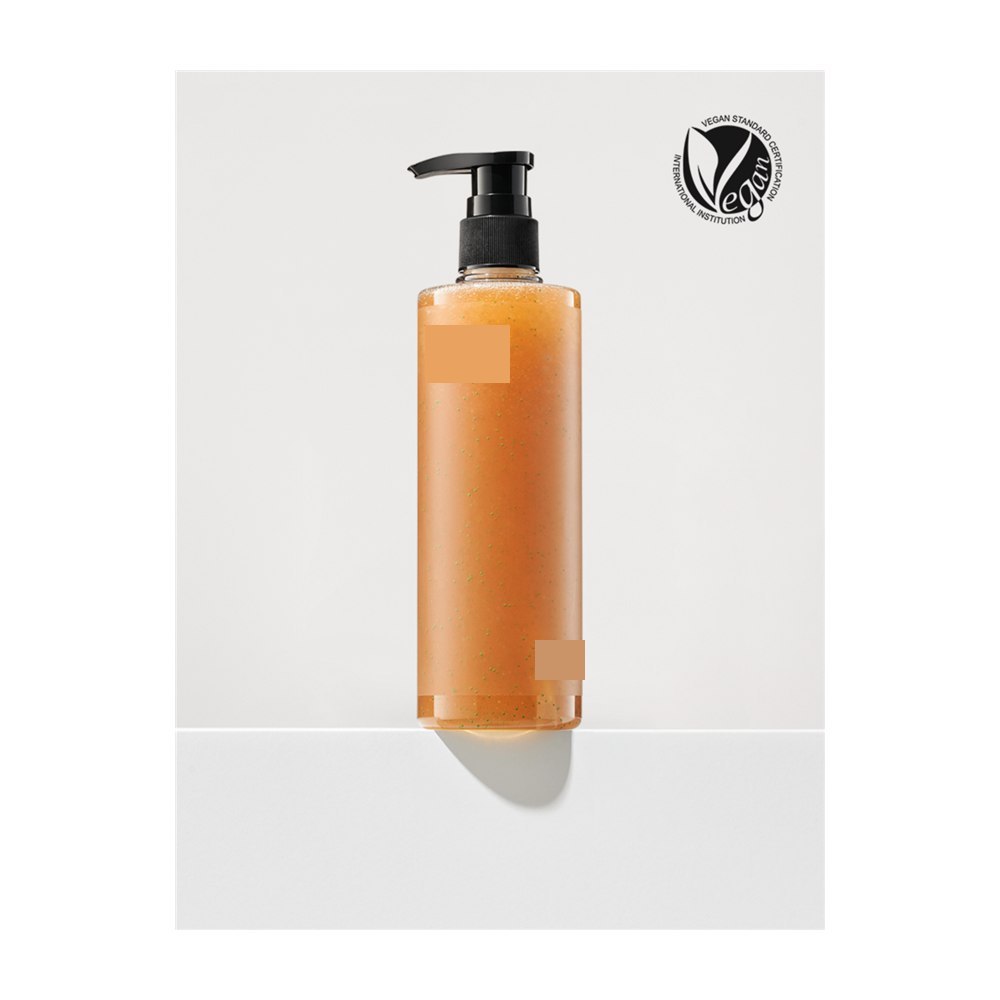 Houttuynia Gel Cleanser
Korean plant-based skincare maker
Houttuynia cordata extract
★5.0 · 1,004 reviews
-
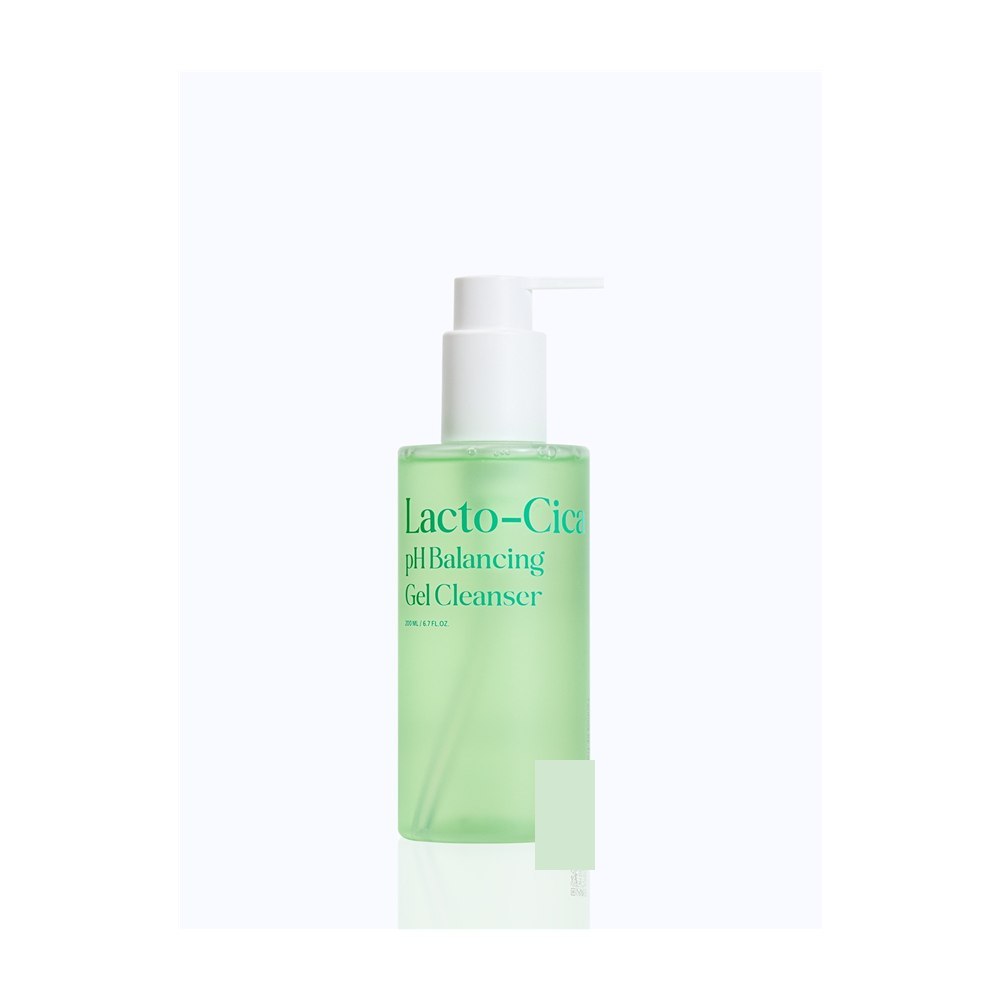 Probiotic Cica Low-pH Gel Cleanser
Korean skincare maker specializing in ferment-based formulas
Lactobacillus ferment lysate · Bifida ferment filtrate · Centella asiatica
★5.0 · 49 reviews
-
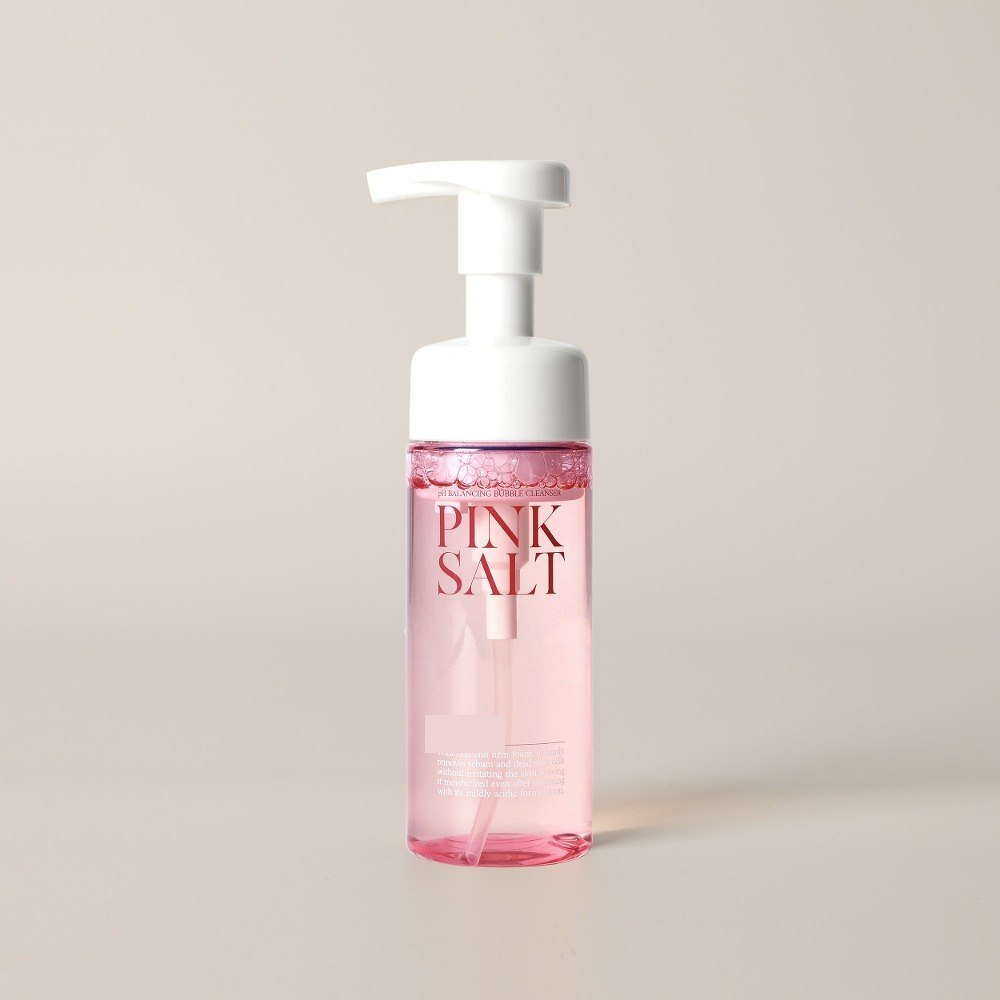 Pink Salt Low-pH Bubble Cleanser
Korean home-spa skincare maker
Pink salt · Charcoal powder · Sodium hyaluronate
★5.0 · 16 reviews
-
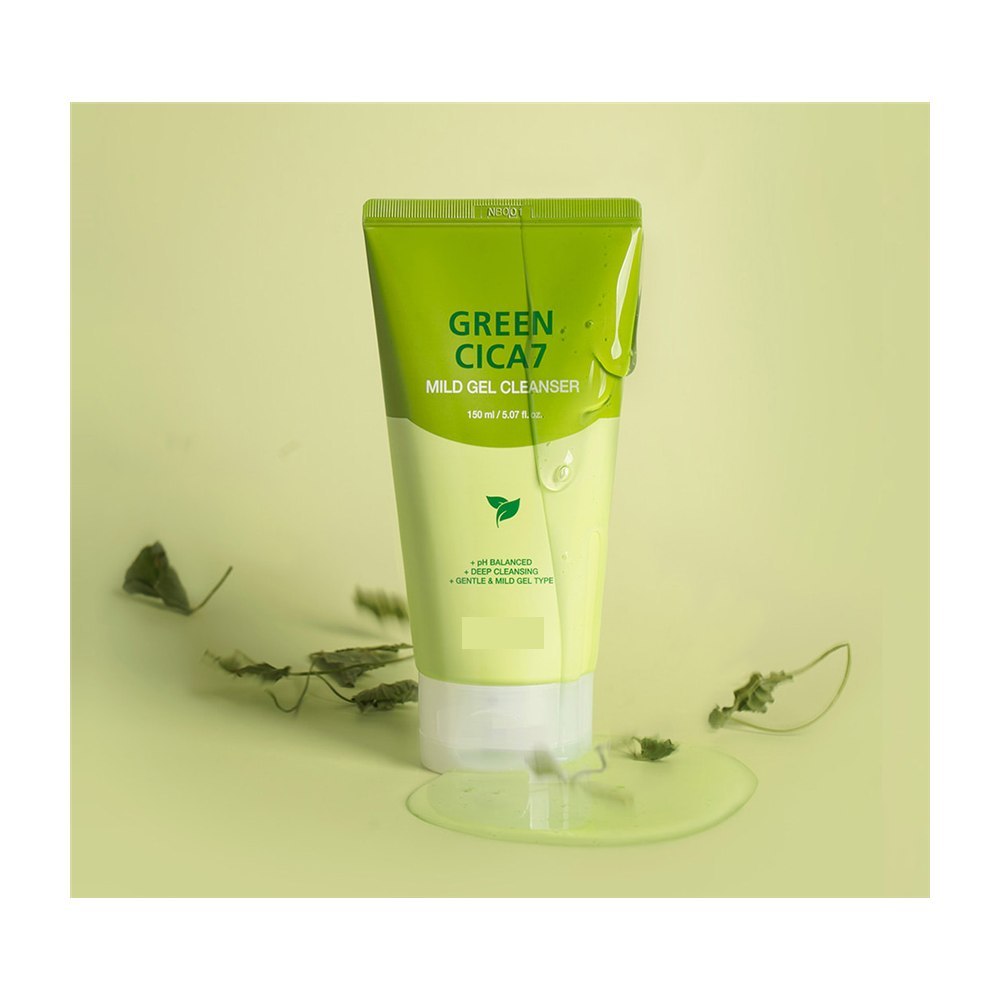 Cica Mild Low-pH Gel Cleanser (150ml)
Korean skincare maker with seasonal, plant-based lines
Centella asiatica
★5.0 · 16 reviews
-
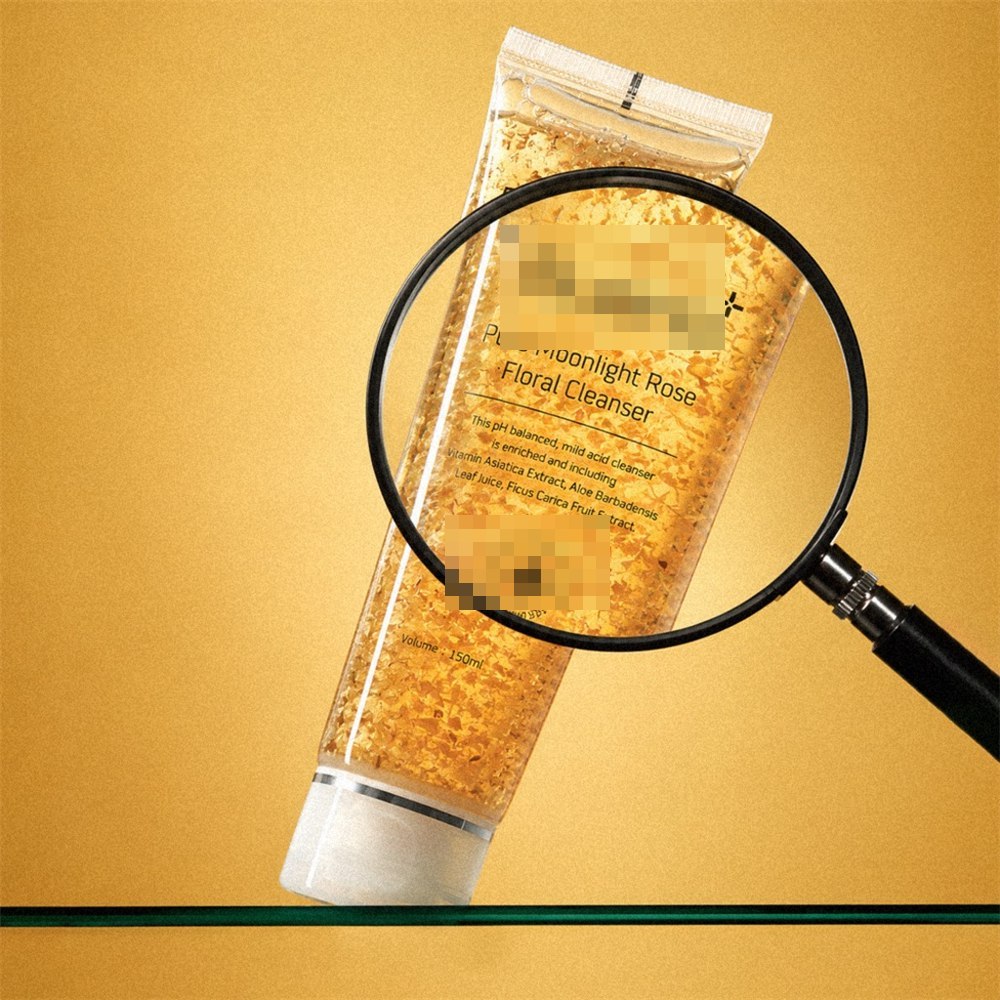 Rose Petal Low-pH Gel Cleanser (150ml)
Korean home-care skincare maker
Rose petals
The full shortlist is on the Sensitive Skin Care — Korean product shortlist page.
For retailers & importers
Shoppers with reactive skin read labels closely and tend to stay loyal once a product feels comfortable. That makes this a repeat-purchase segment. This section covers demand, product data and sourcing checks. Market figures below were current as of November 2026.
Demand signals
We found no figure for growth in the cica or panthenol subcategory, so we do not claim one. Indirect signals are strong.
- Korean cosmetics exports reached a record $11.4 billion in 2025, up 11.8%, according to Korea's Ministry of Food and Drug Safety (MFDS) data reported by UPI on 28 May 2026. This made Korea the world's second-largest cosmetics exporter, behind France ($24.3 billion).
- The US became the top destination at $2.2 billion, up 15%, while China fell 19% to $2.0 billion. Skincare made up 74.7% of exports and color cosmetics 13.2%, per Global Cosmetics News (2026).
- In Q1 2025, exports were $2.6 billion, up 13% year on year and driven by US demand, per MFDS provisional data reported by Korea Biomedical Review (April 2025).
These are whole-category numbers, not figures for reactive-skin products. They come from press reports of MFDS data, and we recommend rechecking them against the MFDS releases. Combined with the high self-reported prevalence of sensitive skin above, they point to steady demand.
Reading the review data
The Houttuynia Gel Cleanser (1,004 reviews) and Salmon DNA Fluid Sunscreen SPF50+ (673 reviews) have large Korean review bases. The Probiotic Cica gel cleanser (49 reviews) and the two cleansers with 16 reviews each show near-perfect scores on small samples, so interpret them with care. Reviews reflect Korean consumers and are no substitute for safety testing.
Label and compliance checklist
This is general information, not legal advice. Confirm current rules with official sources.
| Market | What to check | Status of our sources |
|---|---|---|
| US (MoCRA) | FDA facility registration (including Korean facilities), product listing, labeling, safety substantiation, adverse event reporting | Secondary sources (Altameet, USdongsan); most cosmetics need no FDA pre-approval |
| US (fragrance allergens) | MoCRA directs the FDA to set fragrance allergen labeling rules | Final status not confirmed; check the FDA site |
| EU (allergens) | Regulation (EU) 2023/1545 raised individually labeled fragrance allergens from 26 to 81 | Per Ecomundo and CIRS |
| EU (new products) | One source (CIRS) gives 31 July 2026 as the date for new products, which has passed | Verify existing-product dates in the Official Journal |
| EU (thresholds) | Some sources give labeling above 0.001% in leave-on and 0.01% in rinse-off products | Secondary source only; verify in the legal text |
| EU (other) | Responsible Person and CPNP notification | Confirm on official pages |
What to ask a Korean brand
- Full INCI list, including any Parfum and allergen entries
- Measured pH of each cleanser, and the test conditions
- Test data behind any "low-irritation" or "sensitive skin" claim
- Whether fragrance or essential oils are used
- Facility registration and documentation for your target market
- Samples, MOQ and lead times
We do not publish MOQ or lead-time figures here, because they differ by maker and product and are confirmed in a quote. To get comparable quotes, ask each maker for the same four numbers:
| Item | What to request |
|---|---|
| MOQ | Minimum units per SKU, and whether it differs for gel cleansers and sunscreens |
| Sample lead time | Days to ship samples to your address |
| Production lead time | Days from purchase order to ex-factory, and after which volume it changes |
| Documents | INCI, pH data, test reports, label artwork for your market |
As a Seoul-based sourcing partner, AAMOND Global shortlists Korean brands for your market, arranges samples and quotes, and handles export and shipping. Learn more about our Korean cosmetics sourcing service, or request samples, MOQ and quotes through Sensitive Skin Care — Korean product shortlist.
FAQ
Why does my skincare sting?
Stinging often comes from harsh surfactants, high pH, fragrance or strong actives acting on skin that reacts easily. Skin can sting without visible redness. Simplify your routine to a gentle cleanser, moisturizer and sunscreen, and patch test every new product.
Is centella asiatica good for sensitive skin?
Centella asiatica is widely used to soothe skin and support the barrier. A 2025 study of a cream with centella, ceramide NP and panthenol reported improved symptoms in sensitive skin. Because it was a combination formula, effects cannot be credited to centella alone, and the strongest centella evidence is in wound care.
What Korean products are fragrance-free?
Check each product's INCI list for Parfum or Fragrance rather than trusting the country of origin or the front label. The products in our shortlist data carry no fragrance-free statement, so we do not describe them that way. Ask the maker in writing whether any fragrance or essential oil is used.
How do I patch test a new product?
Apply a small amount to the inner forearm or behind the ear. Secondary sources citing AAD guidance suggest twice daily for 7 to 10 days, while others suggest checking at 24, 48 and 72 hours. Stop if you notice redness, swelling or burning, and see a healthcare professional if symptoms are strong.
What is the simplest routine for reactive skin?
Use a gentle low-pH cleanser, a soothing moisturizer and daily sunscreen in the morning. Add only one new product at a time, so you can tell what causes a reaction. Skip extra steps until the skin settles.
Does low pH really matter in a cleanser?
Yes, but not in a simple way. In the study we reviewed, irritation scores were significantly higher above pH 11, and very low pH can also irritate. Aim for a pH near the skin's natural range and ask the maker for the measured value.
What should importers check on a sensitive-skin product's label and documentation?
Check the full INCI list, fragrance and allergen entries, and the test data behind any claim. Confirm market rules such as US facility registration and EU allergen labeling (81 individually labeled allergens). Also ask for measured pH, MOQ and lead times before comparing quotes.
If you are evaluating sensitive-skin K-beauty for your market, contact AAMOND Global to discuss samples, quotes and export. Skin symptoms that persist should be assessed by a healthcare professional. Regulatory details here are for reference only.
Sources
- The Effectiveness and Safety of a Skin Care Product With Centella asiatica Leaf Extract, Ceramide NP, and Panthenol in Subjects With Sensitive Skin: A Prospective, Observational Study - Su - 2025 - Journal of Cosmetic Dermatology - Wiley Online Library
- The Effectiveness and Safety of a Skin Care Product With Centella asiatica Leaf Extract, Ceramide NP, and Panthenol in Subjects With Sensitive Skin: A Prospective, Observational Study
- Topical Application of Centella asiatica in Wound Healing: Recent Insights into Mechanisms and Clinical Efficacy
- The Prevalence of Sensitive Skin
Related posts
Latest posts
- 01Korean Skincare for Dark Spots & Hyperpigmentation: Niacinamide, Tranexamic Acid & Top PicksSkincare
- 02Best Korean Skincare for Fine Lines & Wrinkles (2026): Ingredients, Picks & Sourcing GuideSkincare
- 03Best Korean Skincare for a Damaged Skin Barrier (2026): Ingredients, Picks & Sourcing GuideSkincare
Korean cosmetics for your market. Talk to our team in Seoul.
We reply by email, usually within two business days.