
Best Korean Skincare for a Damaged Skin Barrier (2026): Ingredients, Picks & Sourcing Guide
A damaged skin barrier usually shows up as tightness, flaking, stinging when products go on, and dryness that comes back within hours. The fastest way back to comfortable skin is a short routine: a low-foam cleanser, a hydrating layer, and a cream with ceramides, panthenol or ectoin, used every day for at least two to four weeks.
Key takeaways
- Cut back first: pause exfoliating acids, scrubs and strong retinoids, and wash with lukewarm water.
- Look for barrier lipids (ceramides, fatty acids, plant oils) plus soothing humectants (panthenol, ectoin, glycerin).
- Korean barrier care works as a simple three-step system: cleanse gently, layer moisture, seal with a cream.
- Across 683 Korean shopper ratings for the products below, 98.5% were 4 or 5 stars.
- Retailers can source all of these products through AAMOND Global; brand details and quotes are shared on request.
What is the skin barrier, and why does it get damaged?
The skin barrier is the outermost layer of the skin, the stratum corneum. Think of it as bricks and mortar: flattened skin cells are the bricks, and a mix of lipids (about half of it ceramides, plus cholesterol and fatty acids) is the mortar. That mortar keeps water in and keeps irritants out.
The barrier weakens when the mortar is stripped faster than skin can rebuild it. The most common reasons are:
- Over-cleansing, high-foam or high-pH cleansers, and very hot water
- Too many actives at once (AHA/BHA, retinoids, vitamin C at high strength)
- Dry indoor air, cold wind, sudden season changes and long flights
- Skipping moisturizer, especially on oily skin that "doesn't need it"
Searches follow the seasons. In Google Trends data for the past 12 months (November 2025 to November 2026), worldwide interest in "skin barrier" climbed every week from March and peaked in May 2026, with a second lift in September. Interest in "ceramide" peaked in April.
How do I know if my skin barrier is damaged?
"Signs of a damaged skin barrier" was one of the fastest-rising searches this year (+120%). The usual signs are:
- Skin feels tight within minutes of washing
- Products that never bothered you now sting or burn
- Rough, flaky patches, often around the nose, cheeks and mouth
- Redness that comes and goes
- Skin that looks dull and dehydrated yet still gets oily
If you notice three or more of these, the fix is usually less, not more: simplify your routine for a few weeks. Persistent rashes, cracking or itching that does not settle are a reason to see a dermatologist.
Which ingredients help a damaged skin barrier?
| Ingredient | What it does | Best for |
|---|---|---|
| Ceramides (Ceramide NP, AP, EOP) | Replace the lipids that hold skin cells together and help reduce water loss | Dry, tight, over-exfoliated skin |
| Panthenol (pro-vitamin B5) | Draws in water and soothes the feeling of irritation | Stinging, sensitive or wind-burned skin |
| Ectoin | A protective molecule that helps the surface layer hold water | Very dry or reactive skin, dry climates |
| Jojoba and macadamia oils | Plant lipids close to skin's own oils; soften and seal | Rough texture, night care |
| Glycerin and hyaluronic acid | Classic humectants that pull water into the skin | Every skin type, under a cream |
| Vitamin D (in skincare) | Used in Korean barrier ampoules alongside ceramides | Dull, dry-feeling skin |

Photo by Jocelyn Morales on Unsplash
Ceramides are the most studied. A review in Cosmetics explains how the lipid matrix controls water loss and how topical ceramides support it (Kahraman et al., 2019), and a later review of ceramide formulas found they improve water retention in dry skin (Kono et al.). Ectoin research shows it improves the hydration of keratin in the stratum corneum (PubMed). "What is ceramide" itself rose about 80% in searches this year, so shoppers are reading labels.
Korean picks for a damaged skin barrier
These are the barrier products we currently source for buyers. Photos show the actual products with labels masked; brand names are shared with buyers on request.
-
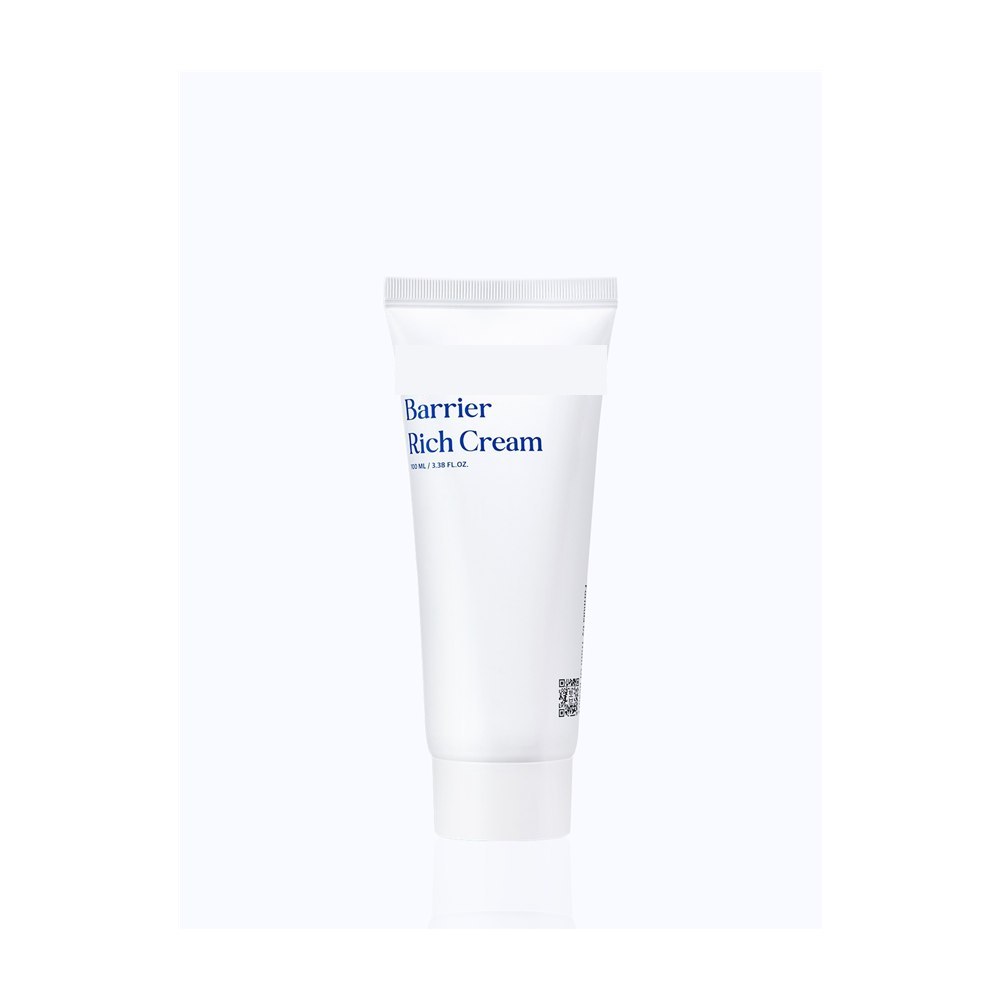 Panthenol-Ectoin Barrier Rich Cream
Korean skincare maker specializing in ferment-based formulas
Panthenol · Ectoin · Jojoba oil
★5.0 · 30 reviews
-
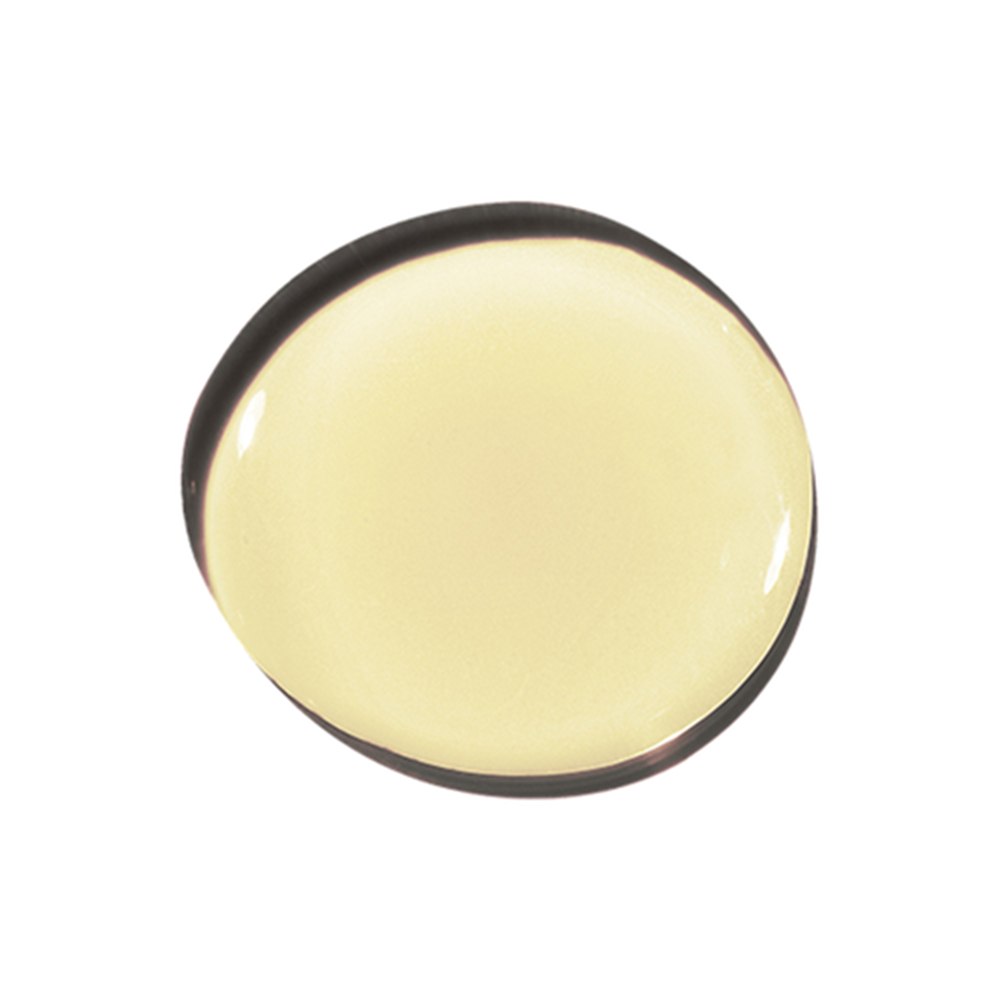 Ceramide Cleansing Gel
Korean skincare maker
Ceramide
★4.9 · 655 reviews
-
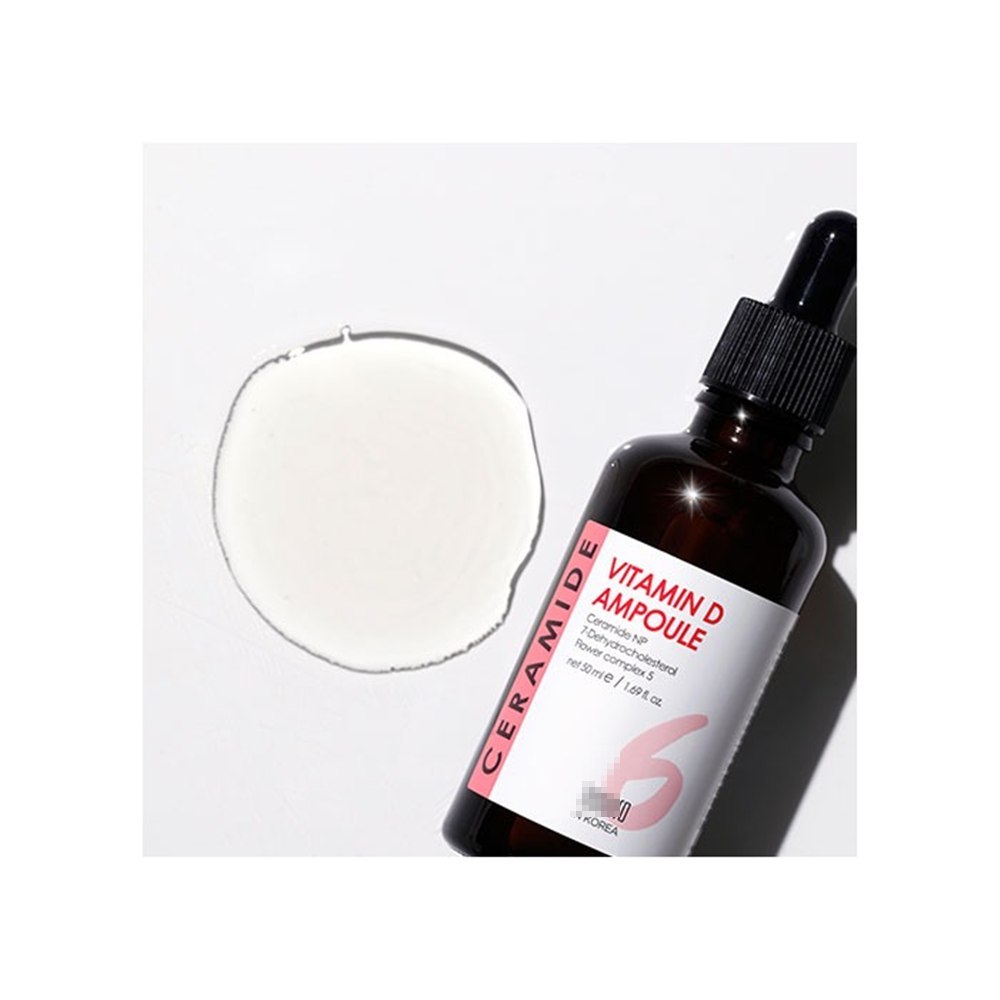 Ceramide & Vitamin D Ampoule
Korean skincare maker
Ceramide · Vitamin D
-
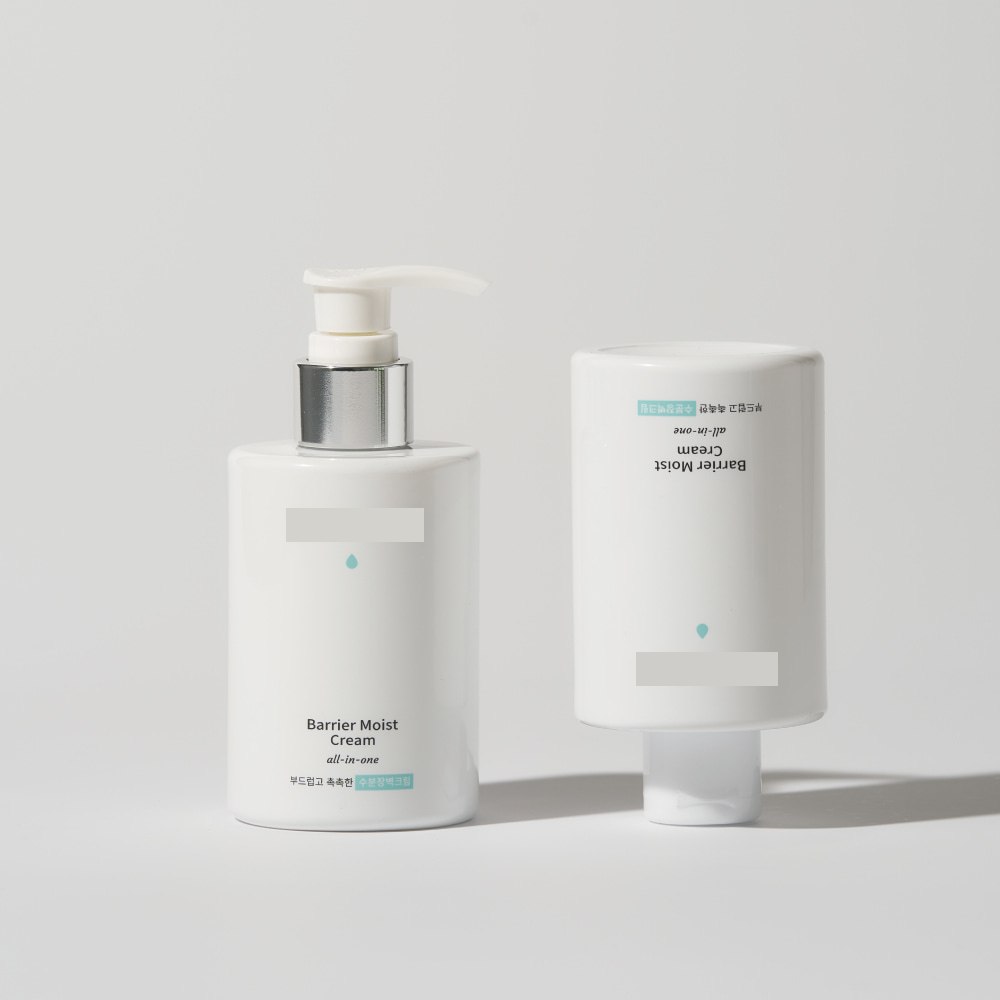 Barrier Moist All-in-One Cream (Non-Comedogenic) 200ml
Korean skincare maker focused on sensitive skin
Macadamia
A panthenol and ectoin rich cream
A rich cream with panthenol, ectoin and jojoba oil from a Korean maker that specializes in ferment-based formulas. It is built for very dry, sensitive skin in cold or dry climates, yet shoppers keep describing it as "not sticky". It holds a perfect 5.0 from 30 reviews on the brand's Korean online store.
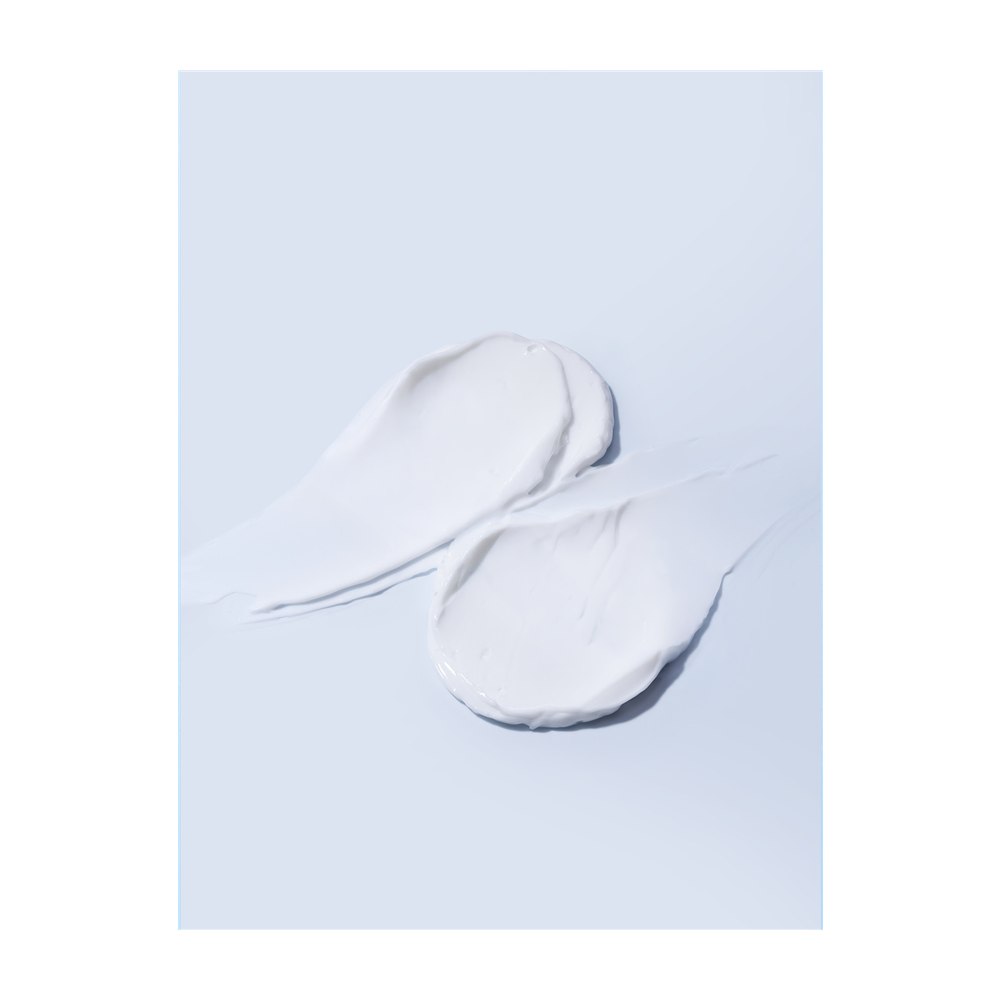
A ceramide cleansing gel
The step most routines get wrong. This ceramide gel turns into a soft, dense foam and is made for people whose skin feels tight after washing. With 655 reviews averaging 4.9, it is the most-reviewed product in this set.
A ceramide and vitamin D ampoule
A lightweight ampoule that pairs ceramides with vitamin D. It layers under a cream in the morning or on its own in humid weather.
A non-comedogenic all-in-one barrier cream
One moisture cream for face and body, sold in 60 g, 200 g and 500 g sizes. Non-comedogenic, with macadamia oil, which makes it a good fit for barrier-weakened skin that also breaks out.
What do shoppers say?
We read every selected review for these products. The same three things come up again and again: no tightness after washing, quick absorption without stickiness, and comfort on sensitive skin.
"This barrier cream goes on lightly yet moistly, and it feels comfortable on the skin without irritation. My skin does not feel dry all day."
— Verified buyer on a Korean retailer
"Barrier creams are usually stiff and thick to apply, but this one is not stiff at all."
— Verified buyer on a Korean retailer
"With other cleansers it felt like even the moisture got washed away, but with this one my skin doesn't feel stripped of moisture."
— Verified buyer on a Korean retailer
"It's a soft gel that turns into light, dense foam with water, so cleansing feels gentle. After cleansing there is almost no facial tightness."
— Verified buyer on a Korean retailer
The one repeated complaint is packaging: several shoppers find it hard to control how much gel comes out of the cleanser and would like a pump. Useful to know if you plan your own shelf or bundle.
How do the products compare?
| Product type | Key ingredients | Texture | Reviews | Best for |
|---|---|---|---|---|
| Rich barrier cream | Panthenol, ectoin, jojoba oil | Rich but non-sticky | ★5.0 · 30 reviews | Very dry, sensitive skin; winter |
| Cleansing gel | Ceramide | Gel to soft foam | ★4.9 · 655 reviews | Tight-after-washing skin; AM and PM |
| Barrier ampoule | Ceramide, vitamin D | Light, layerable | Sold in Korea | Layering; humid climates |
| All-in-one cream | Macadamia oil | Light cream | Sold in Korea | Face and body; breakout-prone dry skin |
How long does it take for the skin barrier to recover?
Skin renews its surface layer roughly every four weeks, so most people feel less tightness within a few days and see smoother, calmer skin after two to four weeks of a steady routine. Adding exfoliants back too early is the most common reason it takes longer.
A simple barrier routine
Morning
- Rinse with water, or use the ceramide gel if skin feels oily.
- Ampoule or hydrating layer on damp skin.
- Barrier cream (a thin layer).
- Broad-spectrum sunscreen.
Evening
- Ceramide gel cleanser (double-cleanse only on makeup days).
- Ampoule.
- Rich barrier cream, a generous layer.
- No exfoliants or retinoids until skin stops stinging; then bring them back one at a time, two nights a week.
If skin around the nose is the problem spot, see our page on redness and flaky skin around the nose. For skin that reacts to almost everything, see sensitive skin care.
Our data
- 683 Korean shopper ratings with a published star breakdown across two of these products: 94.4% five stars, 98.5% four or five stars, 0 one- or two-star ratings.
- 36 five-star reviews selected and translated into English by our team.
- Most-mentioned benefit: no tightness after cleansing. Most-mentioned complaint: hard-to-control cleanser packaging.
- Review data collected from Korean online stores on November 6, 2026. Google Trends figures cover November 2025 to November 2026, worldwide.
For retailers & importers
Barrier care is one of the steadiest skincare categories, not a one-season trend. Search interest builds every spring and again before winter, and the countries searching hardest for "skin barrier" include Pakistan, India, the Philippines and Thailand, which makes it a strong fit for South and Southeast Asian shelves as well as Europe and the Middle East in winter.
What buyers ask us most:
- Assortment: a cleanser, an ampoule and a cream make an easy three-step barrier set for a shelf or an online bundle.
- MOQ, samples and lead time: these differ by brand and are confirmed with each quote. Payment is by T/T; we ship by air or sea from Korea (EXW, FOB or door-to-door).
- Labels: most brands provide English ingredient lists and can support local-language stickers; market registration is discussed before the order.
- Brand details: brand names, company profiles and price lists are shared directly with buyers after an inquiry.
See all barrier products and request a quote, or talk to our sourcing team.
FAQ
What is the fastest way to fix a damaged skin barrier?
Stop exfoliating, switch to a gentle low-foam cleanser, and use a ceramide or panthenol cream twice a day. Most people feel less tightness within a few days.
What is the best moisturizer for a damaged skin barrier?
One that combines barrier lipids (ceramides, fatty acids or plant oils) with humectants such as panthenol, ectoin or glycerin, and leaves out fragrance-heavy or alcohol-heavy formulas.
Which Korean ingredients are best for the skin barrier?
Ceramides, panthenol, centella asiatica, ectoin and fermented ingredients are the most common in Korean barrier care. Ceramides have the most research behind them.
Can oily skin have a damaged barrier?
Yes. Dehydrated, oily skin often over-produces oil because the barrier is losing water. A light gel cleanser and a non-comedogenic cream usually suit it best.
Should I stop using retinol while my barrier recovers?
Pause it until skin stops stinging, then bring it back slowly, two nights a week, over a barrier cream.
Can retailers buy these products wholesale?
Yes. AAMOND Global sources these Korean barrier products for retailers, distributors and online sellers. Samples, MOQ and export terms are confirmed per brand with each quote.
Why are the brand names not shown?
We share brand names, company details and price lists directly with buyers so we can match each buyer with the right brand and territory. Ask us and we will send them.
Sources
- Recent Advances on Topical Application of Ceramides to Restore Barrier Function of Skin (Cosmetics, 2019)
- Ceramide-containing formulations for dry skin: a review (PMC)
- Ectoine disperses keratin and alters hydration kinetics in stratum corneum (PubMed)
- Google Trends: skin barrier, ceramide (worldwide, Nov 2025 – Nov 2026)
Korean cosmetics for your market. Talk to our team in Seoul.
We reply by email, usually within two business days.